When a machine part breaks and the original manufacturer no longer supplies it, downtime becomes expensive. Machining replacement parts from a sample is often the fastest solution — even if you have no drawing.
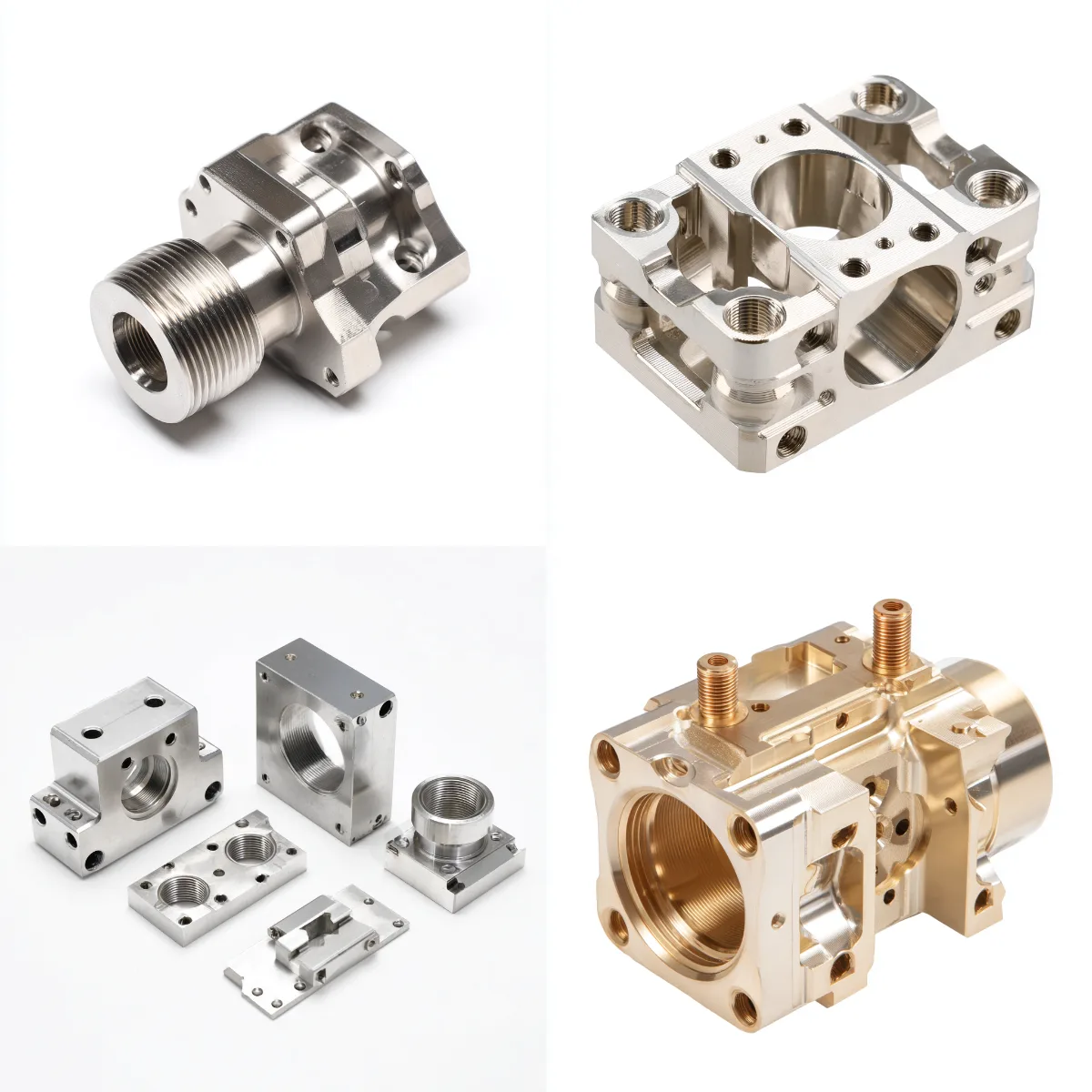
Step 1: Send Photos and Basic Dimensions
Start with clear photos from several angles, a ruler for scale and key dimensions. This lets the supplier judge feasibility and give a budget estimate before you ship the sample.
Step 2: Measure the Sample
The part is measured with calipers, micrometers, thread gauges and, for complex shapes, a CMM. Worn surfaces are reconstructed using mating parts or design intent — for example, a worn bore is restored to the nearest standard bearing size.
Step 3: Identify the Material
Material can be estimated from appearance, hardness, magnetism and application. If the original material is unknown, an equal or better grade is proposed — for example 304 stainless instead of an unknown corroded steel.
Step 4: Approve the Drawing
A 2D drawing (and 3D model) is created and sent to you for approval. You keep the drawing for future re-orders.
Step 5: Machine and Inspect
The part is CNC machined, finished and inspected against the approved drawing.
Parts Suitable for Reverse Engineering
| Suitable | Challenging |
|---|---|
| Shafts, bushings, spacers | Free-form castings with complex internal cores |
| Gears (with gear data), sprockets | Heavily worn gears without reference |
| Brackets, plates, adapters | Parts with unknown heat treatment requirements |
| Fittings, couplings, pins | Safety-critical parts without specifications |
Learn more about one-off machined parts and custom shafts.
Get a Quote for Your Parts
Send your drawing (PDF, STEP or DWG) with quantity, material and finish. An engineer from Zhufeng Precision will review it and reply within 24 hours.
FAQ
Can you make a part without any drawing?
Often yes. We measure the sample and create a drawing for your approval before machining.
Will I receive the drawing?
Yes. The approved drawing is shared so you can re-order easily.
What if the sample is badly worn?
Worn features are reconstructed from mating parts, standards or design intent and confirmed with you.